
Reliable Transportation Isn’t a Luxury — It’s an Important Part of Cancer Care
Insecurity about transportation can lead to missed appointments and delayed care, and obstacles are more common for cancer patients than for the general population.
Insecurity about transportation can lead to missed appointments and delayed care, and obstacles are more common for cancer patients than for the general population.

We know that exercise is medicine. The science is clear, the mechanisms are known, and the tools are available to deliver it safely. To make all that mean something for patients, cancer care must evolve to include movement as a standard element of every stage of the journey, not as a wellness option, but as a clinical necessity.


In an interview, Kyan Health Co-Founder and Chief Commercial Officer Konstantin Struck discussed how Kyan gives mid-market and enterprise employers access to premium workforce mental healthcare, at a price point that is affordable.

If we truly believe in treating the whole patient, we must recognize that survival is not the only measure of success. Preserving a woman’s sense of self, her dignity, her identity, her autonomy is just as essential.

As radiopharmaceuticals enter a new phase, industry leaders must rethink external services and internal capabilities to master the complexities of delivering advanced therapies.

Amidst the distress caused by a cancer diagnosis, patients are left to sort through vast amounts of information, treatment options, and concerns around efficacy and side effects, while juggling other life activities.

Dr. Timothy Showalter talks about how AI can be a powerful force in recommending treatment for cancer patients. He is Artera's chief medical officer and the company has built a digital pathology tool for prostate cancer patients.


By reducing administrative burden and redesigning workflows around human needs, it creates space for what matters most: connection between clinicians and patients.
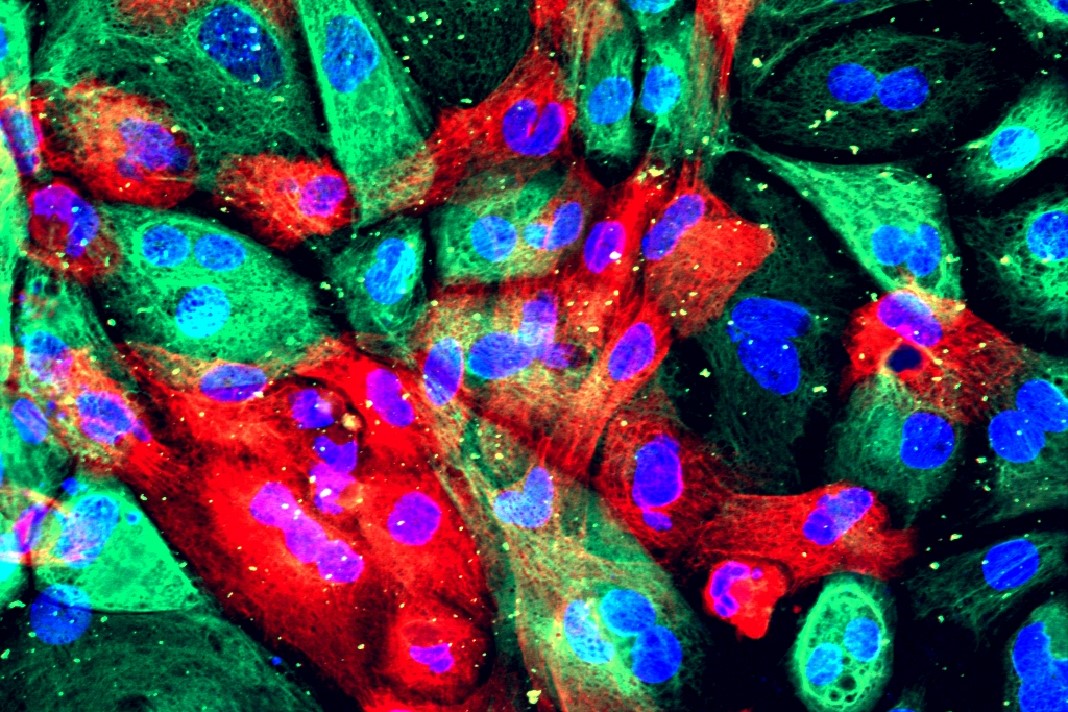
Avenda Health, a startup focused on personalized prostate cancer care, recently received 510(k) clearance from the FDA for its cancer mapping platform. The platform uses a patient’s own diagnostic data to define the extent of the disease and create a cancer probability map with optimal treatment margins.
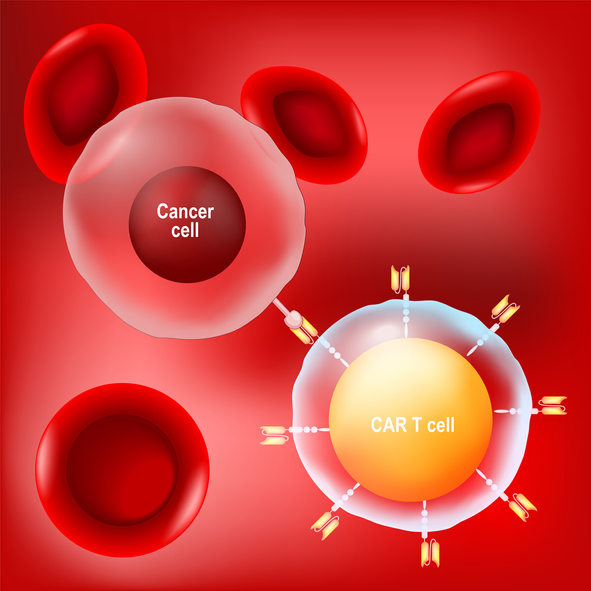
CAR-T has become increasingly recognized as an exciting and potentially paradigm-shifting treatment in the past five years. In fact, more than 10,000 patients have undergone this new treatment for certain types of leukemia, lymphoma and multiple myeloma.

With a global epidemic of obesity and diabetes and their known relationship to cancer, researchers and oncologists are turning their attention to metabolic hormones as promising new targets for cancer treatment.

The MedCity CONVERGE conference at the University City Science Center June 19 in Philadelphia will be the scene of a dynamic series of conversations around cancer treatment, precision medicine, value-based care and investment trends. It will spotlight industry experts, presentations from innovative startups and collaborations.

We are taking a look at how health insurers are using AI, defining success, and managing cybersecurity risks. Give us your opinions by completing our brief, anonymous survey.

Engineering researchers at the University of Michigan have developed a battery-operated injectable computer with a radio antenna that can transmit data to a device located up to 12 inches outside of the body.

So where are we with CAR-T? Is it the innovative, transformative, disruptive, paradigm-changing cancer therapy we all hope for, or is it another incremental improvement?
Patients with previously treated advanced renal cell carcinoma have a new treatment option with cabozantinib — a kinase inhibitor shown to improve overall survival compared to everolimus, as a Cleveland Clinic researcher noted at ASCO 2016 over the weekend.

The FDA issued an alert about the drug on Monday, and in the warning it warned healthcare professionals that the drug is not approved for previously untreated chronic lymphocytic leukemia.
Oncora Medical's approach provides clinical decision support for radiation oncologists to reduce radiation toxicity and guide more personalized treatments.